 BLOG
BLOGHow a Type 2 Diagnosis Sparked Kelvin’s Pharmacy Journey
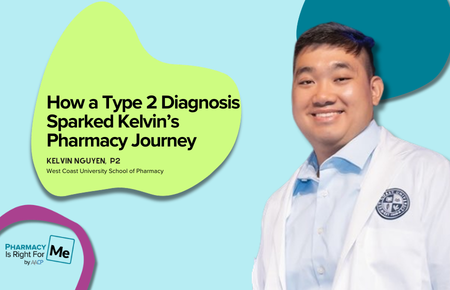
Kelvin Nguyen is a current student in West Coast University's accelerated, hybrid PharmD program. With a family history of type 2 diabetes—and his own diagnosis—Kelvin saw firsthand how life-changing early support and care can be. So when it came time to choose a path in healthcare, pharmacy instantly clicked. For Kelvin, becoming a pharmacist isn’t just about helping patients—it’s about giving them the tools and confidence to take charge of their health.
How did you choose your pharmacy school?
I personally needed the freedom from a hybrid program to schedule my routine around while still completing the degree within 3 years.
What do you wish you had known before applying to pharmacy school?
I wish I had fully understood how much of pharmacy is about communication, not just clinical knowledge. In undergrad, I thought mastering pharmacology was the hardest part. But what really challenged me in school and training was learning how to communicate clearly with patients, providers, and staff. Looking back, I would’ve invested earlier in developing those soft skills.
Why did you choose pharmacy?
My motivation for healthcare is deeply personal. I grew up in a family where type 2 diabetes was almost expected. It affected multiple relatives, and I witnessed firsthand the complications it can cause. I lost a cousin to diabetes-related complications, and that really stayed with me. It wasn’t just a diagnosis, it was something that shaped our family’s health and conversations.
My father also has type 2 diabetes, and eventually, I was diagnosed myself. That moment shifted everything for me. I had to understand what it meant to navigate lifestyle changes, medication decisions, and the emotional weight of a chronic condition.
Over time, through discipline and lifestyle changes, I was able to reverse my diabetes and now manage it through diet and exercise. That experience gave me empathy that you can’t learn from textbooks. It showed me how powerful prevention, education, and consistent support can be.
That’s really what drives me, helping patients feel empowered instead of defeated. I want to be the kind of healthcare professional who doesn’t just manage numbers on a chart, but helps people change the trajectory of their health.
Describe your career path and how you got into pharmacy.
My academic interests originally leaned more toward biochemistry and marine biology. I was fascinated by how biological systems function at a molecular level and how small biochemical changes can have large physiological effects. I loved understanding mechanisms and how the body maintains balance.
At the same time, growing up in a family heavily affected by type 2 diabetes made health and disease impossible to ignore. I saw the real-life impact of chronic illness, including losing a cousin to complications and watching my father manage the condition. When I was diagnosed myself, it deepened my interest in understanding metabolic disease from both a scientific and personal perspective.
What does a typical workday/school day look like for you?
My days are pretty structured around school and studying. I plan ahead, prioritize what needs to get done, and try to stay consistent rather than cramming or reacting last minute.
One thing I make time for every day is the gym. For me, it’s not just about fitness. It’s about discipline. I really believe that how you do one thing is how you do everything. Showing up for training even when I’m tired reinforces consistency, accountability, and follow-through. Those same habits carry over into my academic work and how I approach patient care.
Describe the most rewarding aspects of your career.
The most rewarding part of my career is seeing patients make real progress. There’s something powerful about watching someone go from feeling overwhelmed or discouraged to actively participating in their own care. Those moments remind me why I chose this field. It’s not just about prescribing or dispensing medications. It’s about helping people feel empowered and seeing tangible change over time.
Describe the most challenging aspect of your career.
The most challenging part is recognizing that behavior change takes time. You can educate, encourage, and support, but ultimately the patient has to choose to act. That has taught me humility and reinforced the importance of building trust rather than trying to force change.
What advice would you give to a current student who is interested in pursuing a similar type of career in the future?
I would tell them to be very clear about their motivation. It’s a rewarding field, but it’s not always glamorous. A lot of the work happens behind the scenes, and you may not always receive recognition for it.
I would also say don’t pursue it purely for monetary reasons. Compensation is important and should be respected, but it cannot be your only driver. What sustains you long term is purpose, discipline, and a genuine desire to help people.
Share a brief story about a time you had a positive impact in your role.
I once worked with a patient who felt defeated managing their diabetes. Instead of focusing only on medication counseling, I focused on listening and breaking changes into small, realistic steps. Over time, they became more engaged and their labs improved. The most rewarding part was seeing their mindset shift from discouraged to empowered.
Describe how you manage school/life balance.
For me, balance is less about splitting time evenly and more about being intentional with how I structure my days. School can easily take over if you let it, so I prioritize planning ahead and setting clear boundaries.
I schedule my study time, but I also schedule time for the gym and recovery. Staying active is something I treat as non-negotiable because it keeps me mentally clear and grounded. It reinforces discipline and helps me manage stress effectively.